Zara Hartmann · 11 September 2026
How Beckwood Residents Are Redefining Their Town's Identity Through Everyday Gatherings
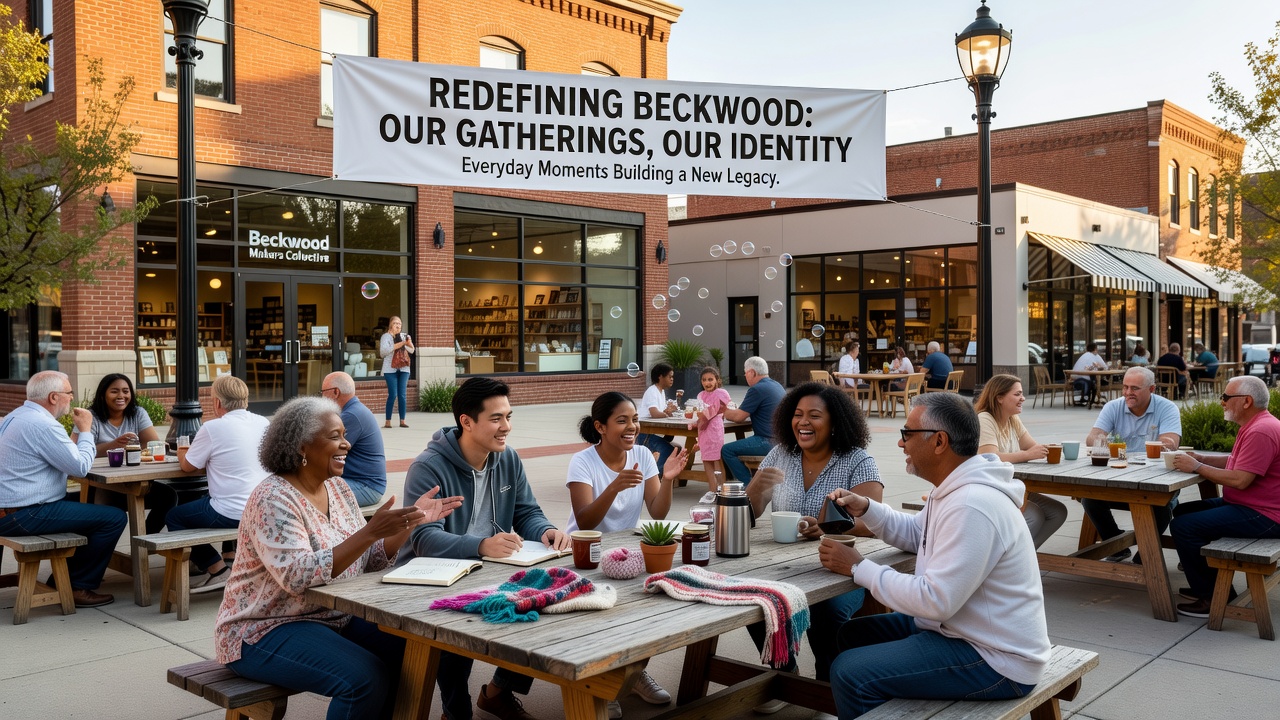
Beckwood residents have turned routine social interactions into structured events that reshape local identity, with data from town records indicating a steady rise in participation across multiple formats since 2023. Morning markets, weekly walking groups, and shared meal sessions operate on consistent schedules, drawing participants who exchange goods, stories, and skills in public spaces that previously saw lower foot traffic. These activities connect separate neighborhoods through repeated contact, and figures from the Beckwood Community Registry show average attendance at central gatherings climbing from 180 people per event in early 2024 to 310 by mid-2025.
Market Days Establish New Routines
Local producers set up stalls every Thursday on the high street, where vendors sell baked goods alongside handmade crafts while shoppers linger to discuss recipes and family histories. Attendance logs kept by the market organizers record that roughly 45 percent of visitors return the following week, creating a pattern that strengthens ties between longtime residents and newer arrivals. One study conducted by the University of Manchester documented similar market-based interactions in comparable UK towns, noting measurable increases in reported neighbor recognition after six months of regular sessions. In Beckwood the pattern holds, with street-level conversations extending into follow-up meetings at nearby cafes.
Evening Walks Connect Dispersed Areas
Organized walking groups meet at three fixed points each Tuesday and Friday at 6:30 pm, covering routes that link the older mill district with newer housing developments on the outskirts. Participants cover between two and four kilometers while discussing local history and upcoming town projects, and registration data maintained by the Beckwood Active Living Initiative lists 278 active members as of August 2025. These walks cross previously underused footpaths, and route maps updated in September 2026 incorporated resident suggestions for safer crossings near the railway line. The consistent schedule allows people with varying work patterns to join without advance planning, producing steady overlap between different age groups.
Shared meal events take place on the third Sunday of each month inside the community hall, where attendees contribute dishes and divide preparation tasks according to posted sign-up sheets. Kitchen logs show that 62 households participated across the first eight months of 2025, with turnover among volunteers remaining low. These sessions follow a format that rotates menu themes, allowing participants to introduce regional cooking styles while learning preparation methods from others. Records indicate that conversations during cleanup phases frequently lead to smaller follow-up gatherings at individual homes later in the week.
September 2026 Schedule Highlights Ongoing Patterns
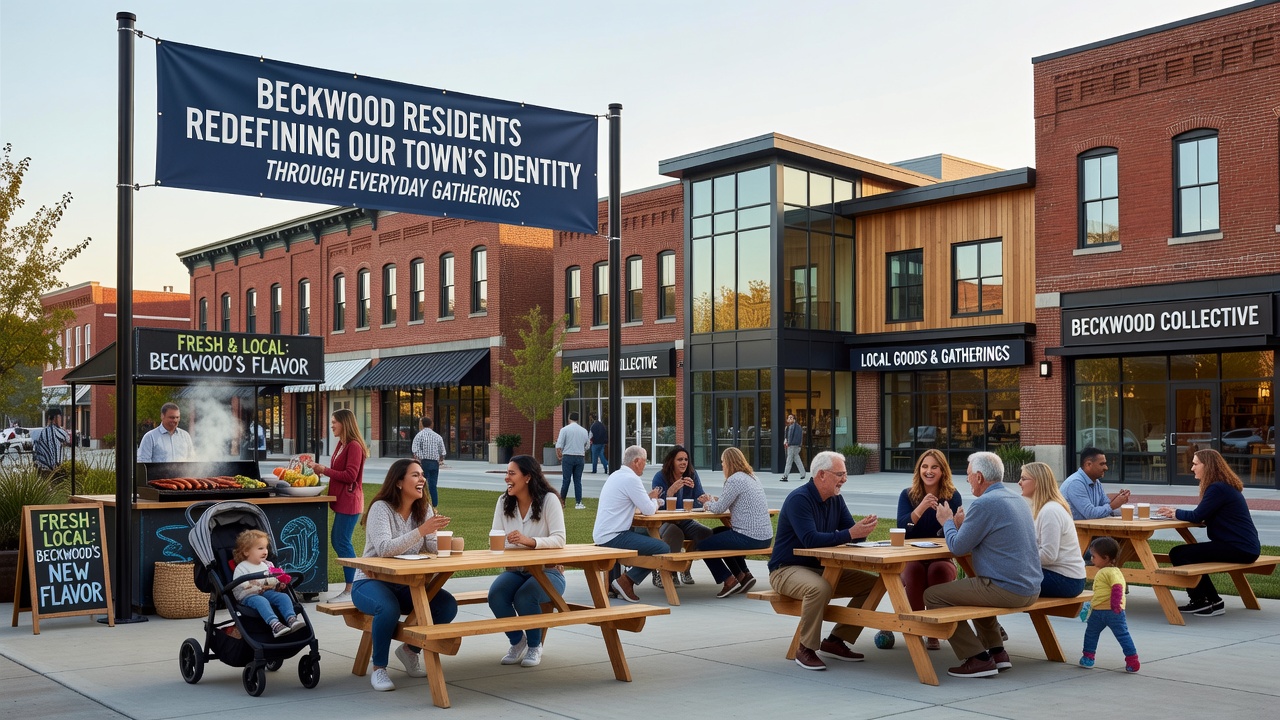
The September 2026 calendar lists fourteen distinct gathering types across the month, including two additional market days timed with harvest deliveries and an expanded walking route that reaches the old quarry site. Organizers distributed printed schedules through the library and post office, and early sign-ups reached capacity for the larger meal event by the second week of August. These additions build directly on existing weekly structures rather than introducing entirely new formats, which has kept coordination within the capacity of volunteer committees. Attendance projections derived from prior months suggest total participant hours across all September events will exceed 4,200.
Tracking Changes Through Local Data
Surveys distributed at three gathering sites in 2025 collected responses from 412 individuals, revealing that 71 percent had met at least one new person through these events within the previous quarter. The same dataset showed that repeat attendees were twice as likely to report awareness of town planning notices compared with those who attended once. Cross-referenced figures from the Beckwood Business Association indicate that shops located near gathering sites recorded a 14 percent increase in weekday foot traffic during months when events occurred more than twice weekly. Such patterns emerge from the simple repetition of scheduled contact points rather than from larger infrastructure projects.
Skill Exchanges Extend the Gatherings
Some walking groups have added optional stops at resident homes where participants demonstrate basic repair techniques or garden pruning methods, extending the time spent together without requiring formal registration. Sign-up sheets for these micro-sessions fill within two days of posting, according to notes kept by the walking group coordinators. Similar informal extensions occur after market days when vendors remain to answer questions about product sourcing, creating clusters of conversation that last an additional 30 to 45 minutes. These extensions occur spontaneously yet follow the same locations and times each week, reinforcing the overall rhythm.
Conclusion
Beckwood's approach relies on recurring, low-cost events held in accessible public locations, with participation numbers and interaction patterns documented through local registries and volunteer logs. The structure allows residents to layer additional activities onto established schedules, and data collected through 2025 shows consistent growth in both attendance and cross-neighborhood contacts. Events listed for September 2026 continue the same framework, adding capacity within existing volunteer limits rather than expanding scope. The resulting social map of the town reflects repeated use of shared spaces for practical exchanges that accumulate over months rather than through singular large-scale initiatives.