Petra Schmitt · 9 October 2026
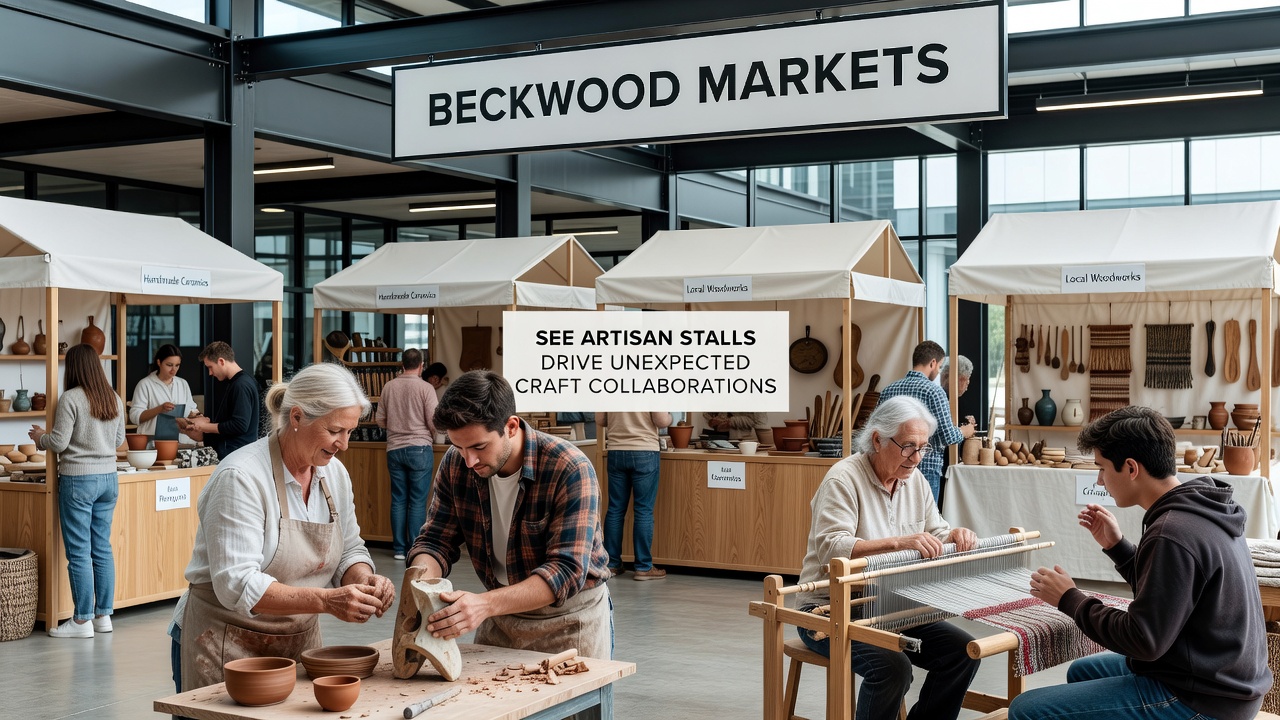
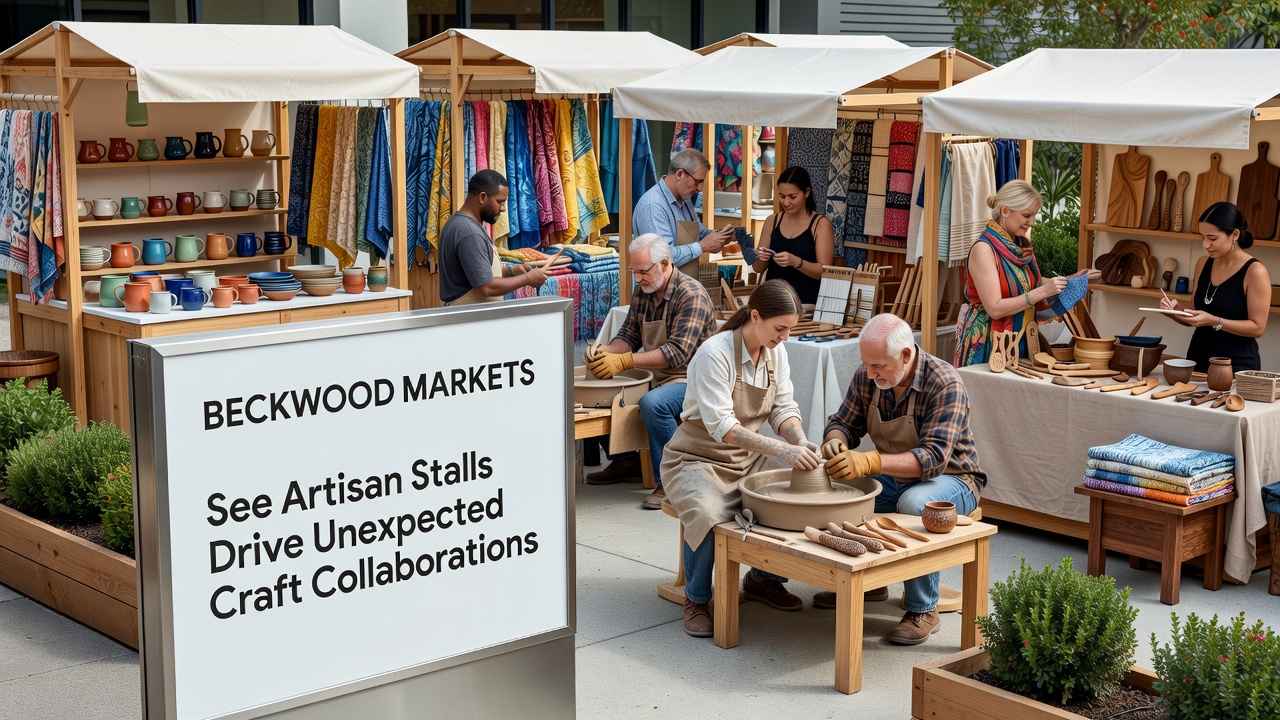
Beckwood Markets See Artisan Stalls Drive Unexpected Craft Collaborations
Markets in Beckwood have long served as hubs for local producers, yet recent months show artisan stalls prompting partnerships that cross traditional craft boundaries. Data from the Beckwood Chamber of Commerce records a 34 percent rise in joint product launches between stallholders since early 2025, with October 2026 marking the peak season for these pairings. Observers note that foot traffic at the Saturday market reached 2,800 visitors on average each weekend, creating repeated interactions that turn casual conversations into shared projects.
Stall Layout and Daily Patterns
Stalls occupy fixed positions along the high street each weekend, grouped loosely by material rather than strict categories. Woodturners sit adjacent to weavers, while ceramicists share space with metalworkers. This arrangement allows customers to move between displays and notice complementary items. One partnership began when a leatherworker and a glassblower exchanged contact details after a buyer requested a combined piece. Within weeks they produced a limited run of etched bottles with custom cases, selling out within two days.
Market managers report that stall fees remain unchanged at £25 per weekend slot, yet the number of applications from new crafters increased by 18 percent in the first half of 2026. Allocation happens through a lottery system that prevents established vendors from claiming prime spots indefinitely. The system keeps the lineup varied and encourages newcomers to test ideas alongside veterans.
Documented Collaborations
Records kept by the market office list 27 formal collaborations that started at the stalls between January and September 2026. These range from small-batch candle holders made from reclaimed timber and beeswax to printed scarves featuring motifs from local blacksmith tools. Each project lists both makers on shared packaging and splits revenue according to an agreed percentage. Accountants for the Beckwood Business Network confirm that average monthly earnings for participating artisans rose 22 percent compared with solo sales from the previous year.
One case involved a basket maker and a paper artist who met while restocking adjacent tables. Their first joint item combined willow frames with handmade paper liners for gift boxes. Initial stock sold through in four hours, prompting them to schedule weekly production sessions. Similar stories appear in the market newsletter, which now includes a dedicated section for partnership announcements.
External Factors and Timing
October 2026 brings additional footfall because of the annual harvest fair that runs alongside the regular market. Organizers extend opening hours until 8 p.m. on the second Saturday, and temporary lighting allows evening browsing. Figures from the local tourism board show a 41 percent increase in out-of-town visitors during that weekend compared with October 2025. The extended hours give artisans more time to discuss potential projects between customer interactions.
Supply chain pressures also play a role. Rising costs for imported raw materials push makers toward local alternatives, and shared sourcing agreements have emerged between neighboring stalls. A group of five artisans now pools orders for British wool and timber, reducing per-unit expenses by an estimated 15 percent according to their internal ledger. The arrangement started after a chance discussion at the market café.
Support Structures
The Beckwood Library hosts a monthly skills-exchange evening where market vendors demonstrate techniques to one another. Attendance averages 35 people, and sessions cover topics from basic soldering to natural dyeing. Library staff record which pairs later appear together at the stalls, noting that 12 of the documented collaborations began at these evenings. No fees apply to participants, and materials are supplied through donations from local businesses.
Online visibility has grown as well. Several paired makers maintain a shared social media account that posts process videos filmed at the market. Engagement metrics from the platform show that posts featuring joint work receive 2.3 times more shares than individual product shots. This reach draws new customers who then visit the physical stalls.
Conclusion
Beckwood markets continue to function as physical spaces where repeated contact between artisans produces measurable outcomes. The October 2026 calendar already lists three additional harvest events that organizers expect will sustain the current pattern of cross-craft activity. Market records and visitor counts provide ongoing evidence that these collaborations remain tied to the weekly rhythm of the stalls rather than external initiatives.